
Creating a home workspace that supports your productivity and keeps you organized can make a significant difference in your daily work routine. Whether you’re working remotely full-time or occasionally need a quiet spot to focus, setting up an effective workspace at home is essential. Here are some practical tips to help you design a home office area that fosters organization and boosts your productivity.
Choose the Right Location
Find a Quiet Spot
Select a place in your home that is relatively free from distractions and noise. This could be a spare room, a corner in the living room, or even a dedicated nook. The key is to have a space where you can concentrate and maintain focus throughout your workday.
Consider Natural Light
Natural light can improve your mood and energy levels. Position your desk near a window if possible, but avoid glare on your computer screen. If natural light isn’t an option, invest in good quality lighting that reduces eye strain.
Invest in Comfortable and Functional Furniture
Ergonomic Chair and Desk
Comfort is vital to avoid fatigue. Choose a chair that supports your back and encourages good posture. Pair it with a desk at the right height for your body and the work tasks you perform. Adjustable chairs and desks can accommodate different needs and enhance comfort.
Additional Furniture
Consider adding shelves, filing cabinets, or drawers to keep your documents and office supplies neatly stored. This prevents clutter from building up on your work surface, helping you stay organized.
Organize Your Workspace Effectively
Declutter Regularly
Keep only the essentials on your desk. Remove any items that do not serve an immediate purpose and store them elsewhere. A tidy workspace helps clear your mind and reduces distractions.
Use Organizers and Storage Solutions
Use trays, pen holders, cable organizers, and drawer dividers to keep small items in place. Label storage boxes or folders to quickly find what you need, saving time and frustration.
Manage Cables and Electronics
Use cable ties or clips to keep cords organized and out of the way. Consider wireless accessories to reduce cable clutter. Keeping electronics tidy ensures your space looks clean and functions smoothly.
Set Up Technology Thoughtfully
Reliable Equipment
Invest in a reliable computer or laptop, high-speed internet, and any necessary peripherals like a printer or external monitor. Having dependable technology reduces disruptions and helps maintain productivity.
Software and Apps
Use productivity tools such as calendars, task managers, or note-taking apps to plan and track your work. Apps that sync across devices keep you on top of deadlines and meetings.
Personalize Without Overdoing It
Add Personal Touches
It’s nice to include a few personal touches like photos, plants, or artwork to make your workspace inviting. These can boost your mood and create a comfortable environment.
Avoid Excess Clutter
While personal items can make the space yours, avoid overcrowding your desk. Keep the environment inspiring but functional.
Establish Healthy Work Habits
Create a Daily Routine
Set regular working hours and stick to them to maintain a balance between work and personal life. Consistency helps your mind prepare for focused work during set periods.
Take Breaks and Move Around
Incorporate short breaks into your routine to rest your eyes and stretch your body. Stand up, walk around, or do simple exercises to stay refreshed and avoid burnout.
Maintain Cleanliness
Wipe your desk and keyboard regularly to keep your workspace hygienic. A clean area promotes a clear mind and reduces distractions caused by mess.
Optimize for Different Types of Work
Separate Zones for Tasks
If space allows, create areas tailored for different activities — such as a primary desk for computer work, a small table for writing, or a comfortable chair for reading. This physical separation can improve mental clarity when switching tasks.
Adaptable Setup
Use adjustable furniture or accessories to switch positions or types of work throughout the day. For example, a standing desk converter allows you to alternate between sitting and standing.
Final Thoughts
Creating an organized and productive home workspace isn’t just about aesthetics; it’s about designing a functional area that supports your best work. By choosing the right location, investing in comfortable furniture, organizing efficiently, and maintaining good habits, you can build a workspace that helps you stay focused, motivated, and balanced. Remember, your workspace should serve your needs and evolve with them — stay flexible and willing to adjust as you find what works best for you.
Related Posts
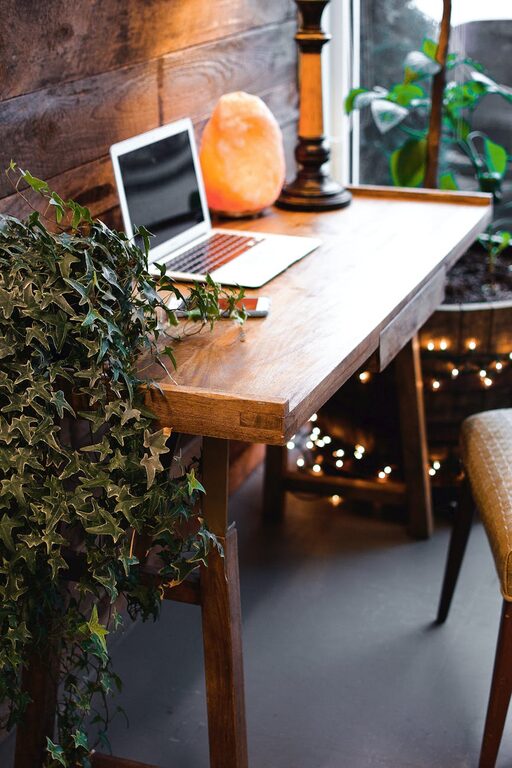
Tips for Creating a Cozy and Productive Home Office Space
Creating the perfect home office can be a game-changer for…

Tips for Creating a Productive Home Office Environment
Creating a productive home office environment is essential for anyone…
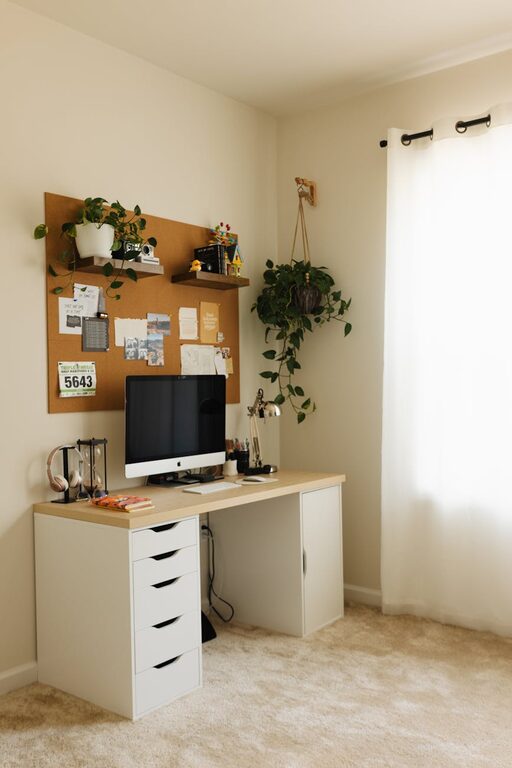
Tips for Creating a Cozy and Productive Home Office Environment
Creating a home office that is both cozy and productive…