
Creating a relaxing home workspace is essential for maintaining productivity and comfort, especially as more people work remotely or spend significant time at home. The environment you work in can influence your focus, creativity, and overall well-being. A thoughtfully designed workspace not only reduces stress but also makes work feel more enjoyable. Here are some practical tips to help you create a home office that feels calming, inviting, and productive.
1. Choose the Right Location
Finding the ideal spot for your workspace is the first step. Ideally, pick a quiet area with minimal distractions. Natural light is a major bonus because it can boost your mood and help regulate your body’s natural rhythms.
– Near a window: Position your desk close to a window to maximize daylight.
– Away from noise: Avoid high-traffic spots or noisy appliances.
– Dedicated space: Try to have a space used only for work to help keep work and personal life separate.
2. Invest in Comfortable Furniture
Comfort is key when working for long hours. A good chair and desk setup can prevent discomfort and injury.
– Ergonomic chair: Choose a chair that supports your back and encourages good posture.
– Adjustable desk: Consider a desk that can be raised or lowered to switch between sitting and standing.
– Desk size: Make sure the desk is large enough for your computer, supplies, and any extra items you need without feeling cluttered.
3. Optimize Lighting
Proper lighting is necessary to avoid eye strain and fatigue. Balance natural and artificial light sources for the best effect.
– Natural light: Use natural light as much as possible.
– Ambient lighting: A soft overhead light helps illuminate the room evenly.
– Task lighting: A desk lamp with adjustable brightness can provide focused light for reading or detailed work.
4. Keep Your Space Organized
Clutter can add to stress and make it difficult to focus. An organized workspace promotes productivity and calm.
– Storage solutions: Use shelves, drawers, and organizers to store supplies.
– Minimal décor: Keep decorations simple and meaningful. Plants or art can add personality without causing distractions.
– Daily tidying: Spend a few minutes at the end of each workday tidying your space.
5. Incorporate Soothing Colors
Colors affect mood and energy levels. Choosing a calming color palette can promote relaxation.
– Soft neutrals: Shades like beige, soft gray, or white create a serene environment.
– Cool tones: Light blues or greens can have a tranquilizing effect.
– Avoid bright reds and yellows: These can be too stimulating for a work setting.
6. Use Plants to Refresh the Space
Adding greenery can improve air quality and create a connection to nature, which is soothing and refreshing.
– Low-maintenance plants: Succulents, snake plants, and pothos are great for busy people.
– Placement: Put plants where you can see them easily, such as near your desk or on windowsills.
7. Manage Noise Levels
Background noise can distract or increase stress. Find ways to manage sound for a peaceful workspace.
– Noise-cancelling headphones: Great for blocking out disturbances.
– White noise machines or apps: Can help mask distracting sounds.
– Soft materials: Rugs, curtains, and cushions absorb sound and reduce echo.
8. Personalize Thoughtfully
Adding personal touches can increase comfort without cluttering your space.
– Inspirational quotes or photos: Place these where you can see them to boost motivation.
– Comfort objects: A cozy blanket or a favorite mug can add comfort.
– Avoid excess: Keep personal items limited to prevent distractions.
9. Establish Healthy Boundaries
Creating a relaxing workspace also means setting boundaries to protect your time and focus.
– Set work hours: Define when your workday starts and ends.
– Communicate with household members: Let others know when you should not be disturbed.
– Take breaks: Step away regularly to stretch, hydrate, and recharge.
10. Use Technology Wisely
Technology is a tool that can enhance or hinder productivity.
– Organize cables: Use clips or sleeves to prevent tangles and reduce mess.
– Limit notifications: Turn off non-essential notifications to minimize distractions.
– Tools for focus: Consider apps that block distracting websites during work hours.
—
By implementing these tips, your home workspace can become a relaxing retreat that makes it easier to concentrate and enjoy your tasks. The right environment supports your well-being and helps you perform at your best—turning work from home into an efficient and pleasant experience. Start small, and gradually customize your space to fit your unique needs and preferences.
Related Posts
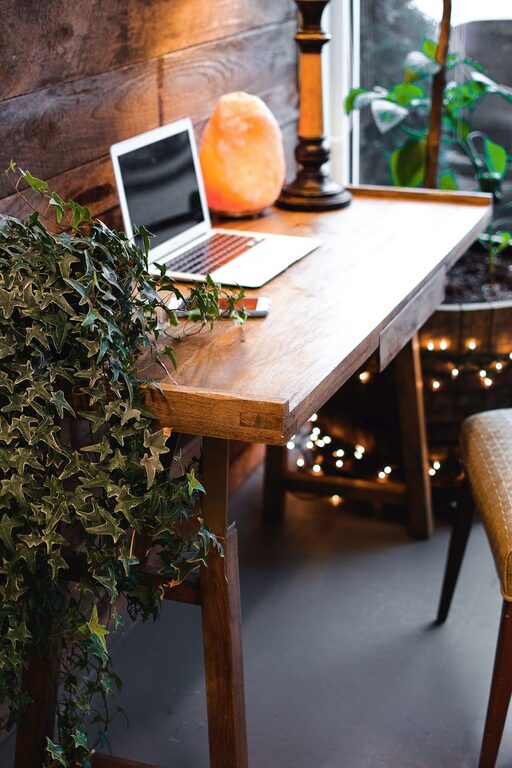
How to Create a Cozy and Productive Home Office Space
Creating a home office that balances coziness with productivity can…
Tips for Creating a Cozy and Inviting Home Environment on a Budget
Creating a cozy and inviting home environment doesn’t have to…
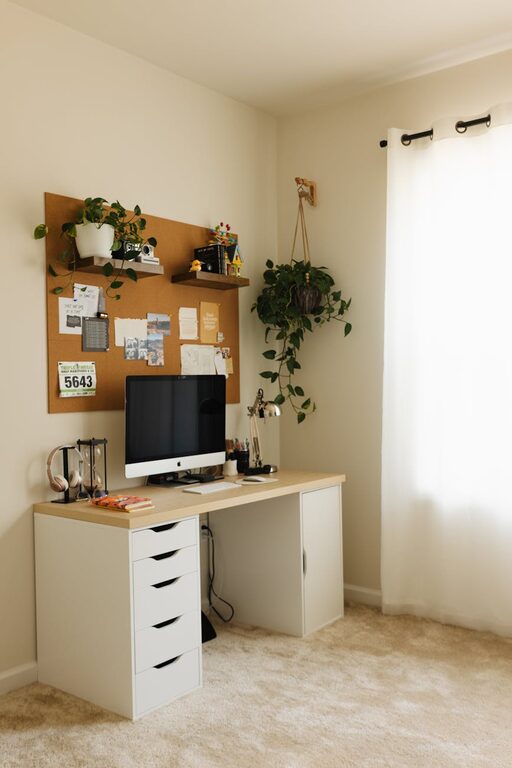
Tips for Creating a Cozy and Productive Home Office Space
Creating a home office that feels both cozy and productive…